
"Venezuelan coffee farms"
200 article(s) found
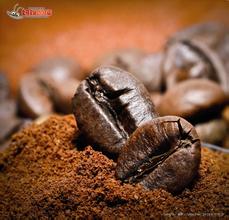
Venezuelan coffee beans with lighter weight, fuller particles and weaker acidity
Venezuela's best coffees are Montebello from San Cristbal de Tachira, Miramar from Rubio de Tachira, Granija from Timote de Merida and San Ana from Tachira.

Smooth and sweet Venezuelan coffee beans introduce boutique coffee
The best coffee names in Venezuela are: Montebello in San Cristobal (San Cristbal de Tachira) in Tazira, Miramar in Rubio (Rubio de Tachira) in Tazira, Granija in Timothe (Timote de Merida) in Merida, and Santa Ana in Tacira (San)
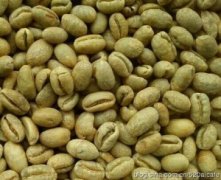
Fine coffee single coffee beans Venezuelan coffee beans
Venezuelan Coffee Venezuela's characteristic manor coffee comes from this oil-rich country. Oil was once considered Venezuela's main export. Although coffee trees were introduced from Martinique as early as 1730 and Venezuela, coffee production was almost abandoned during the heyday of the oil industry. Coffee plantations have recently begun to recover.

The Venezuelan coffee producing area of San Cristobal, located in Tazira in the southwest.
The characteristics of Venezuelan coffee: Venezuelan coffee taste is different from other coffee in Latin America, it is delicious, light, less sour than traditional coffee, which makes it not only blended but also unique. Flavor: rich and delicious fruit flavor suggested baking method: medium to deep roasting, multi-purpose ★★: good Venezuelan coffee market: at present

Smooth and sweet Venezuelan coffee producing area of San Cristobal
The best coffee names in Venezuela are: Montebello in San Cristobal (San Cristbal de Tachira) in Tazira, Miramar in Rubio (Rubio de Tachira) in Tazira, Granija in Timothe (Timote de Merida) in Merida, and Santa Ana in Tacira (San)

Introduction of Venezuelan coffee beans with smooth taste and sweet taste
The best coffee names in Venezuela are: Montebello in San Cristobal (San Cristbal de Tachira) in Tazira, Miramar in Rubio (Rubio de Tachira) in Tazira, Granija in Timothe (Timote de Merida) in Merida, and Santa Ana in Tacira (San)

Introduction of coffee beans in San Cristobal area
One of the many plantations in Merida at the foot of the Andes belongs to the Pablo and Pulido families, an ancient farm that has been allowed to downsize. Since taking over the farm in the early 1980s, the Pulido family has harvested coffee from existing bourbon coffee trees and planted new tree species.

Smooth, sweet Venezuelan coffee beans
Venezuelan coffee beans taste smooth and sweet. Venezuelan coffee is lighter in weight, fuller in grain, less sour, and sweeter and darker than other Latin American coffees. Venezuela's best coffees are Montebello from San Cristbal de Tachira, Rubio from Tachira, and San Cristbal de Tachira.

The characteristics of Venezuelan coffee
Venezuela introduced coffee trees from Martinique as early as 1730, but coffee production was almost abandoned at the height of the oil industry. Recently, coffee plantations have begun to recover, with original Tipica and bourbon coffee trees and new plantations laying the foundation for coffee exports.

Venezuelan coffee beans introduce San Cristobal
The distinctive manor coffee comes from this oil-rich country. Oil was once considered to be the main export of Venezuela. Although coffee trees were introduced from Martinique in 1730 and Venezuela, coffee production was almost abandoned at the height of the oil industry. Recently, coffee plantations have begun to recover, with the original planting of Tipica and

Rich and delicious fruit-flavored Venezuelan coffee from San Cristobal
The Caracas Zhouyuan area, once famous for its coffee, has resumed production. In addition, the Jean and AndresBoulton plantations in the Turgua region also grow Tippica coffee trees. The characteristics of Venezuelan coffee: the taste of Venezuelan coffee is different from other coffee in Latin America. It is delicious, light and better than traditional coffee.

Venezuelan coffee, Venezuelan coffee beans, what coffee beans are there in South America?
Coffee workshop (Wechat official account cafe_style) Venezuela, once famous for exporting top coffee, is now trading crude oil for more and more Nicaraguan coffee beans to ensure that the country's worsening economic crisis can also support the strong national demand for coffee. Although Venezuela started in 1730

Introduction to the delicious and light flavor of Venezuelan coffee beans
The best coffee names in Venezuela are: Montebello in San Cristobal (San Cristbal de Tachira) in Tazira, Miramar in Rubio (Rubio de Tachira) in Tazira, Granija in Timothe (Timote de Merida) in Merida, and Santa Ana in Tacira (San)

Smooth and sweet Venezuelan coffee producing area of San Cristobal
The distinctive manor coffee comes from this oil-rich country. Oil was once considered to be the main export of Venezuela. Although coffee trees were introduced from Martinique in 1730 and Venezuela, coffee production was almost abandoned at the height of the oil industry. Recently, coffee plantations have begun to recover, with the original planting of Tipica and

Smooth and sweet Venezuelan coffee beans introduce boutique coffee
One of the many plantations in Merida at the foot of the Andes belongs to the Pablo and Pulido families, an ancient farm that has been allowed to downsize. Since taking over the farm in the early 1980s, the Pulido family has harvested coffee from existing bourbon coffee trees and planted new tree species.

Is the Venezuelan Tachilla coffee good? Flavor description of Venezuelan Coffee
Professional coffee knowledge exchange more information about coffee beans Please follow the coffee workshop (Wechat official account cafe_style) the distinctive manor coffee comes from this oil-rich country. Oil was once considered the main export product of Venezuela (Venezuela). Although coffee trees were introduced from Martinique as early as 1730 in Venezuela, in the heyday of the oil industry, coffee

Venezuelan Coffee Plantation introduces the treatment of boutique coffee
One of the many plantations in Merida at the foot of the Andes belongs to the Pablo and Pulido families, an ancient farm that has been allowed to downsize. Since taking over the farm in the early 1980s, the Pulido family has harvested coffee from existing bourbon coffee trees and planted new tree species.

Basic knowledge of boutique coffee Venezuelan coffee
Venezuela introduced coffee trees from Martinique as early as 1730, but coffee production was almost abandoned at the height of the oil industry. Recently, coffee plantations have begun to recover, with original Tipica and bourbon coffee trees and new plantations laying the foundation for coffee exports.

Smooth, sweet Venezuelan coffee Introduction San Cristobal region
Venezuela's best coffees are Montebello from San Cristbal de Tachira, Miramar from Rubio de Tachira, Granija from Timote de Merida and San Ana from Tachira.

Delicious and light Venezuelan coffee beans from San Cristobal area
Venezuelan Coffee Coffee Venezuela's distinctive manor coffee comes from this oil-rich country. Oil was once considered to be the main export of Venezuela. Although coffee trees were introduced from Martinique in 1730 and Venezuela, coffee production was almost abandoned at the height of the oil industry. Recently, coffee plantations have begun to resume.